
Intro
- AI's pace of development already feels incredibly fast after Opus 5.5 and Astra 6... and increasingly absurdly convenient things keep coming out..😨
- In terms of shock value, let me introduce
REA, a service on the level of Ego lite & Aside, ande2e, which makes me think E2E Test is now a solved problem! - Add CLI Anything + Understand Anything to the mix. With these veritable Anything Brothers 💪, it seems the Vibe Coding methodology is also changing to some extent, so I'm adding an update dated 26.11.08.
1. 𝐑𝐄𝐀 - Reverse Engineering Anything
- Even the name is extraordinary. It will expose(?) anything! When I first discovered this repo, it had 88K Github ⭐️... but in about a week, it gained another 200K..wow
- Repo Link 🔗
👨🏫 What is it?
- If you say, ‘Copy this app, presto,’ it gets copied. The first result may be rough. I asked it to copy RunCat—a cute menu bar service that runs as fast as my computer's load—and make RunDog.
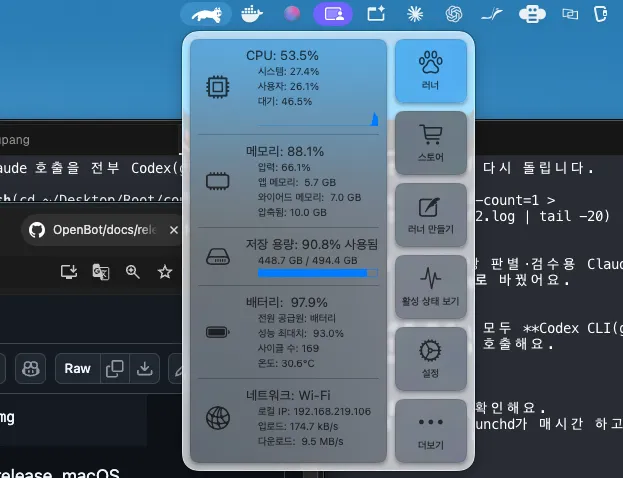
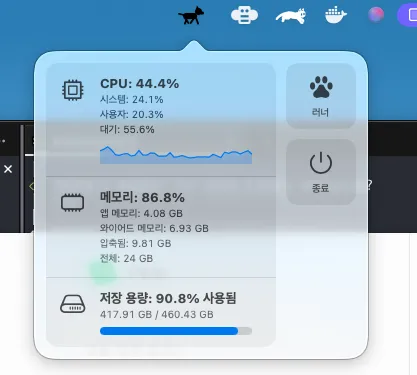
- For the first one, I only said, 'Copy RunCat and make RunDog,' and for the second, I said, 'Make the UI look more similar and let me configure the runner,' and it produced the result below. It would probably do even better with a few more detailed prompts.
What if the target is OpenSource?👀
-
For non-open-source code like this, it uses separate analysis tools to create an implementation that is as similar as possible. But if it is actually OpenSource, the code itself serves as the answer key, allowing it to implement things far more accurately and then begin adding or changing the features I want.
-
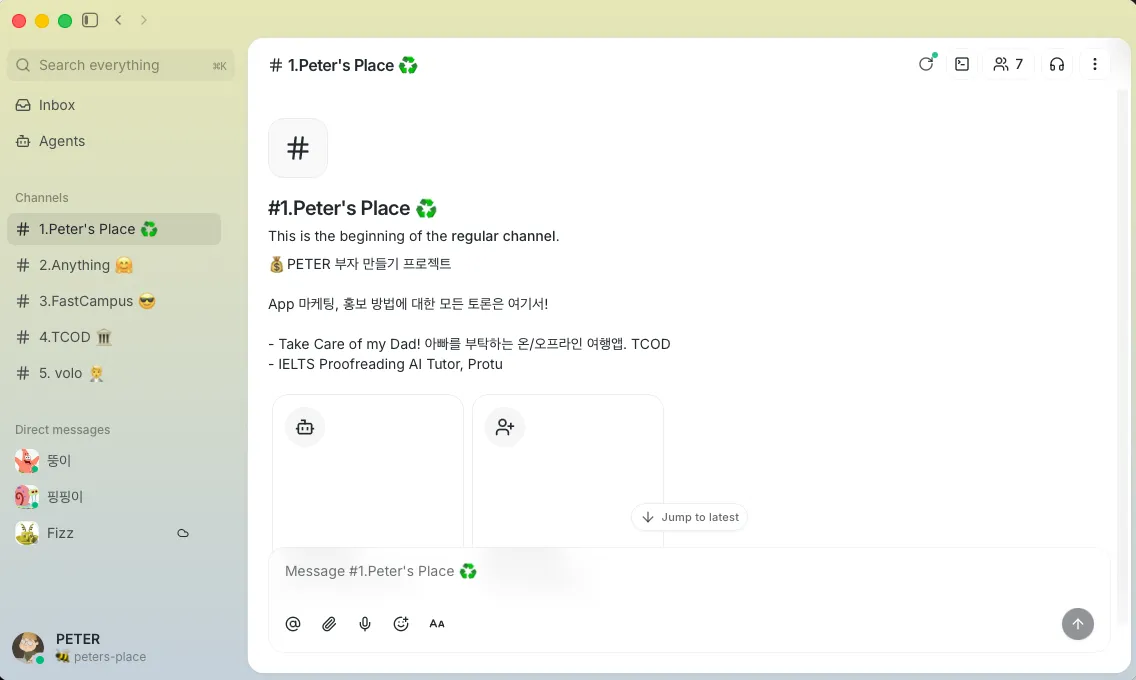
For example, while using Buzz, my favorite messenger, I wanted a UI/UX where I could conveniently view my Todo list, Calandar, and links I told it to save because 'I'll look at them later'—essentially a Bookmark feature—from the dashboard, and have them automatically disappear once AI had actually handled them.🪄✨ Below is the original BUZZ home screen
-
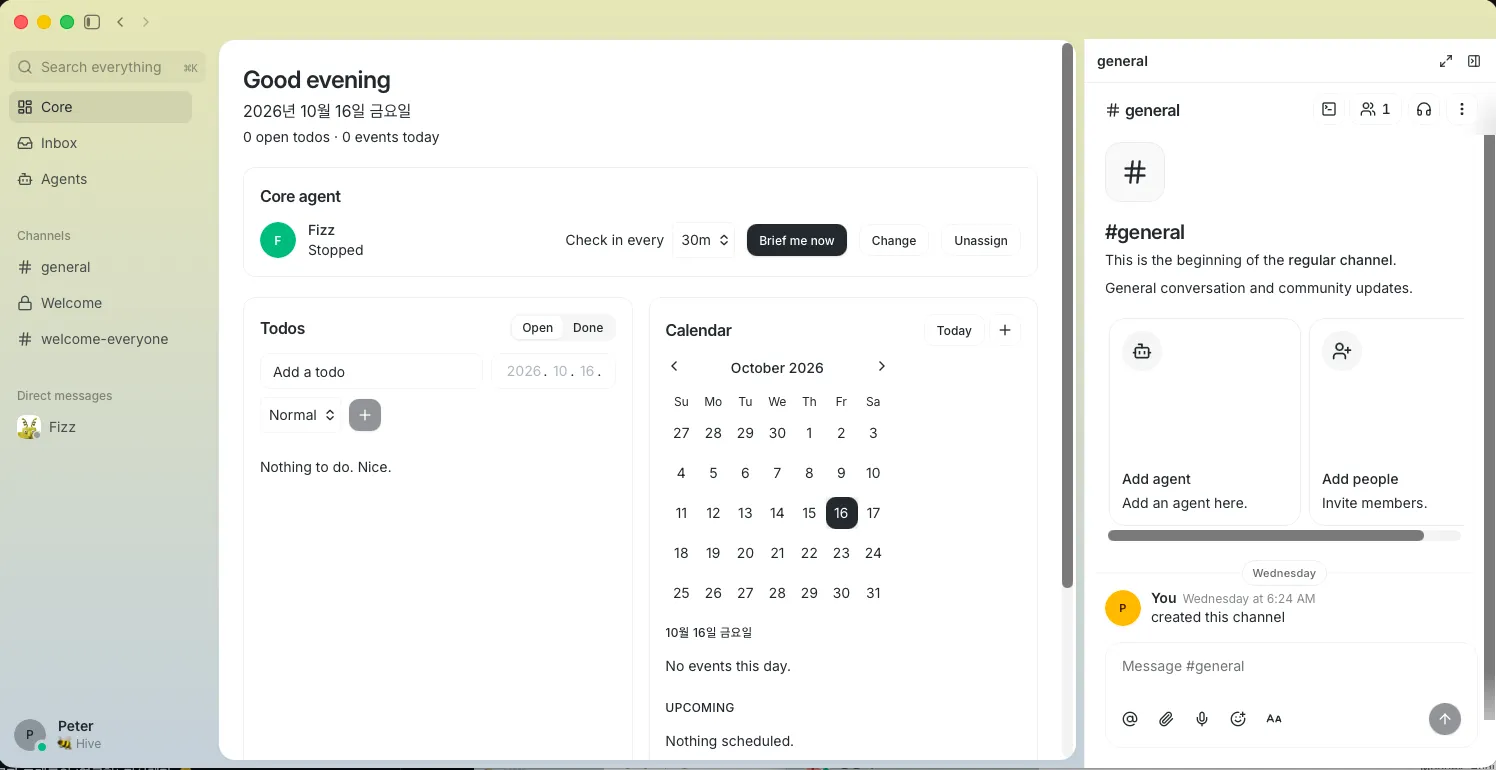
When I asked it to copy the app and add those features, it ran overnight with 'just a single prompt', and about six hours later, there was an app where nearly all the existing functionality worked as before, though the behavior of the newly added UI still needed a little more polishing.
Here's the how:
-
As the name suggests, REA is Reverse Engineering. In other words, after looking at the app or service I tell it to examine, it looks at that 'finished product' and follows a logical flow such as, 'For this feature to work, feature A must be possible,' and 'Then, to make A possible, I should build it using B or C,' implementing and completing the code along the way—quite literally, 'reverse engineering.'👷
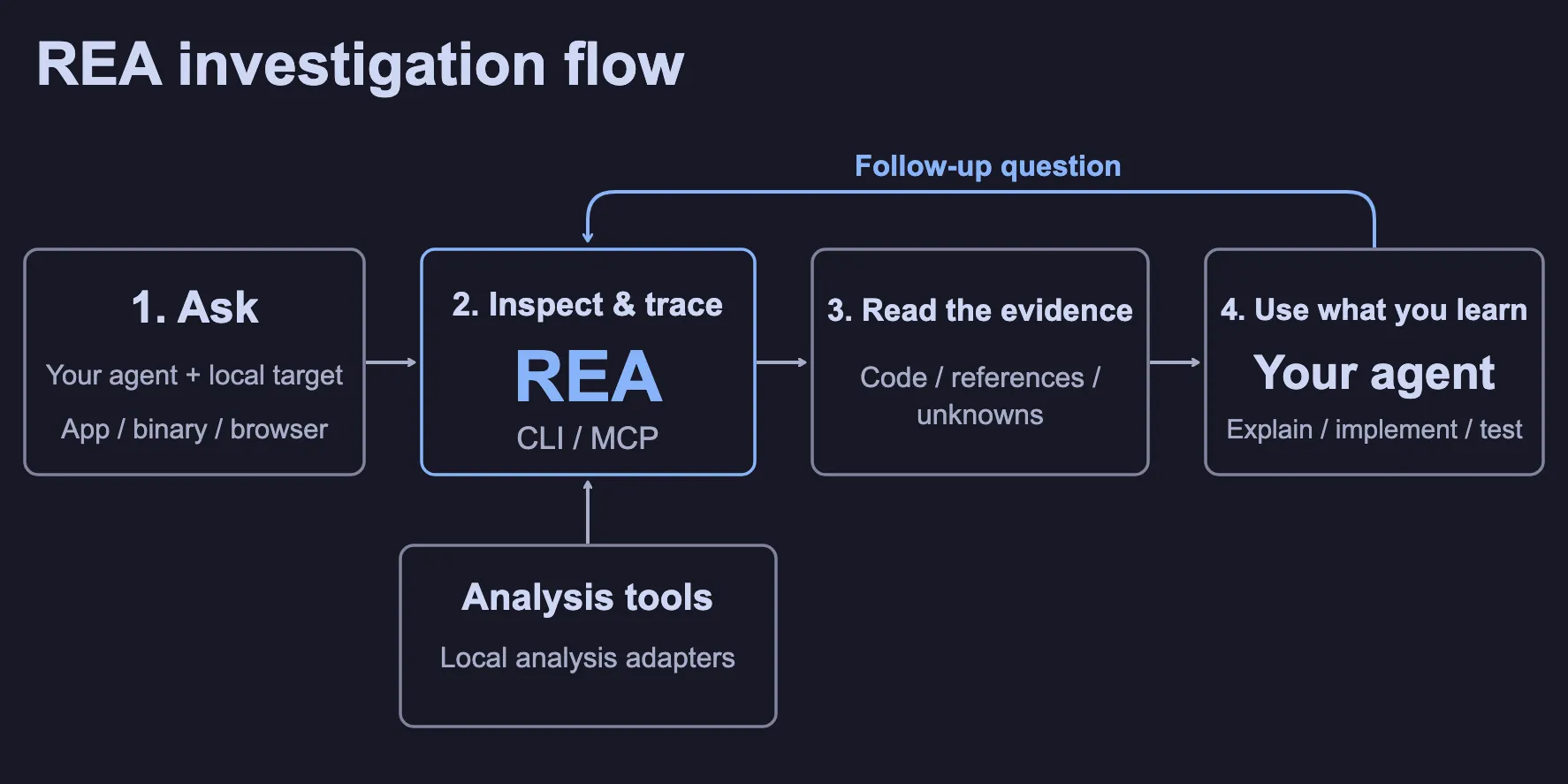
-
As the diagram above explains, a person first asks (Ask), and it then examines and traces the logical flow (Inspect & trace). At this point, it appropriately uses Analysis tools (and installs them itself if none are available), then returns the analysis results, what can be implemented in code, references, and even what it does not understand. For the unknown parts, it explains and infers them on its own, then implements and tests the code.
- At this stage, REA asks itself questions again, returns to Inspect & trace, and repeats the process to improve completeness.
Here's the point ✍️
- These days, the point isn't to 'copy every service.' You can use REA to analyze features you want to reference or Effects you envy in situations like, 'Wow, I want to make something like that too,' or 'Ah... this service is great, but I wish it had just this one thing..🤔', then use the analysis to build a separate service.
- My takeaway is not that you should become a Copy Cat, but that it seems tremendously helpful for 'quickly analyzing other references at the code level' and incorporating what you learn into your own service, brand, and UI/UX.🤗 Doing so should also keep you free from license and copyright issues.
2. 𝐞𝟐𝐞
- 🪖 e2e is here to put the testing tools in their place..
- Repo Link 🔗
👨🏫 What is it?
-
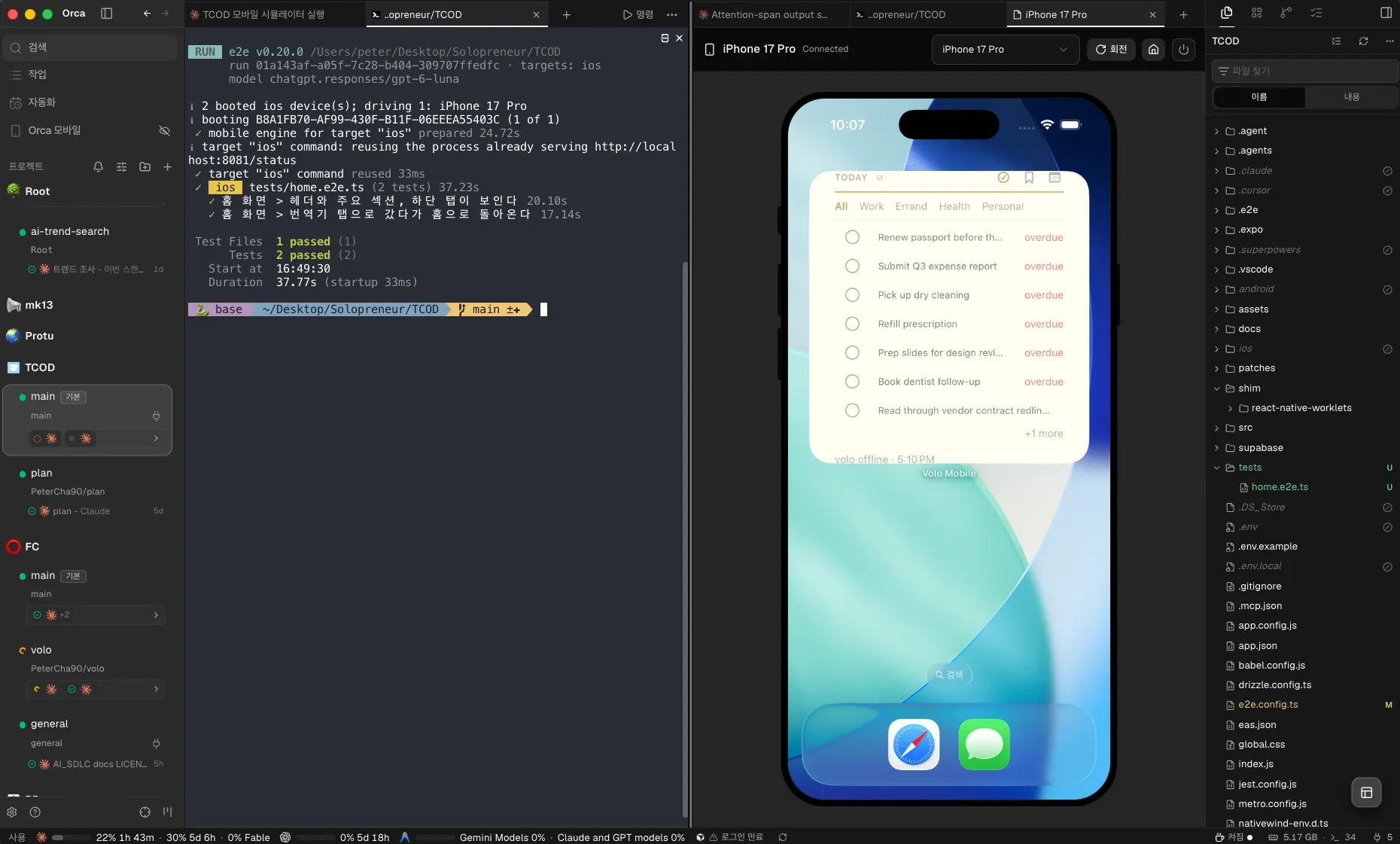
Even now, 🪁Playwright MCP does an excellent job of automating test code. But what about Android apps? What about iPhone apps?! This one handles all three. 😎✨
-
It works especially well with Orca, making it incredibly effective at testing both iPhone and Android through mobile emulators. You can also connect a physical device and test it through mirroring, which is fantastic. 👍
3. CLI-Anything
-
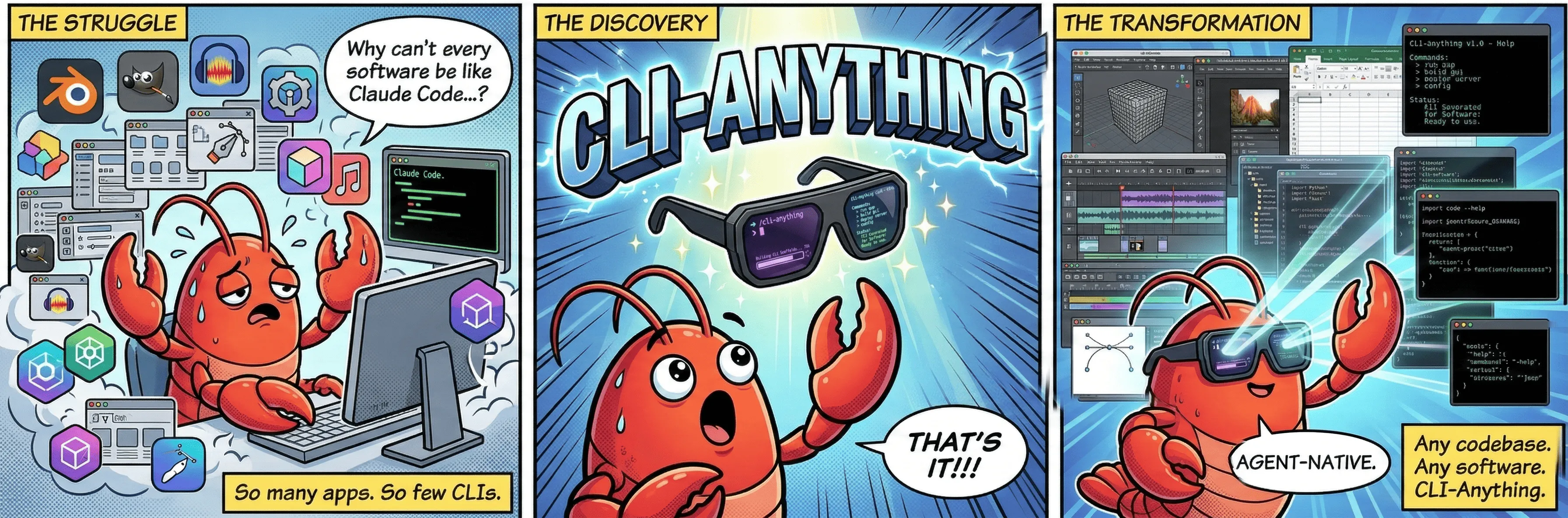
As shown in the image below, CLI-Anything is a solution that generates CLI commands that give the Agent I use a remote control for operating 3rd-party Apps more effectively.
-
-
When there's a service I use frequently but I'm disappointed that it doesn't have a dedicated MCP, I can use CLI-Anything to create one myself and hand it to Claude-code, Codex, Buzz, Hermes, Grok bot, and others, enabling them to handle my work in much richer ways! 🤗✨
-
But just as the saying goes,
Do not reinvent the wheel, CLI-Hub already has CLIs made for popular services like Blender, CAD, and Mermaid, so there probably isn't any need to build them yourself all over again. I recommend taking a look there before making one. ⭐️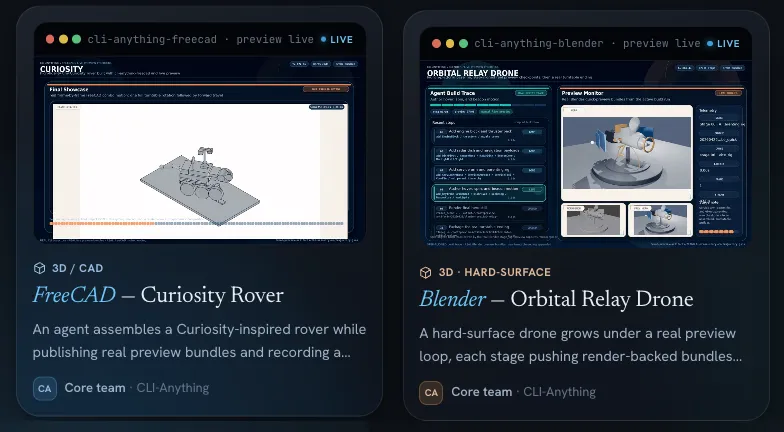
-
Now, this is where an important Insight kicks in.🕵🏻♂️
- CLI-Anything works better when the Source Code is available. So for programs that are not OpenSource, simply running CLI-Anything right away may not work well.
- Then what? Use REA to create the Source Code, and thoroughly test it with e2e as well.
- Then use CLI-Anything, and succeed.
4. Understand Anything
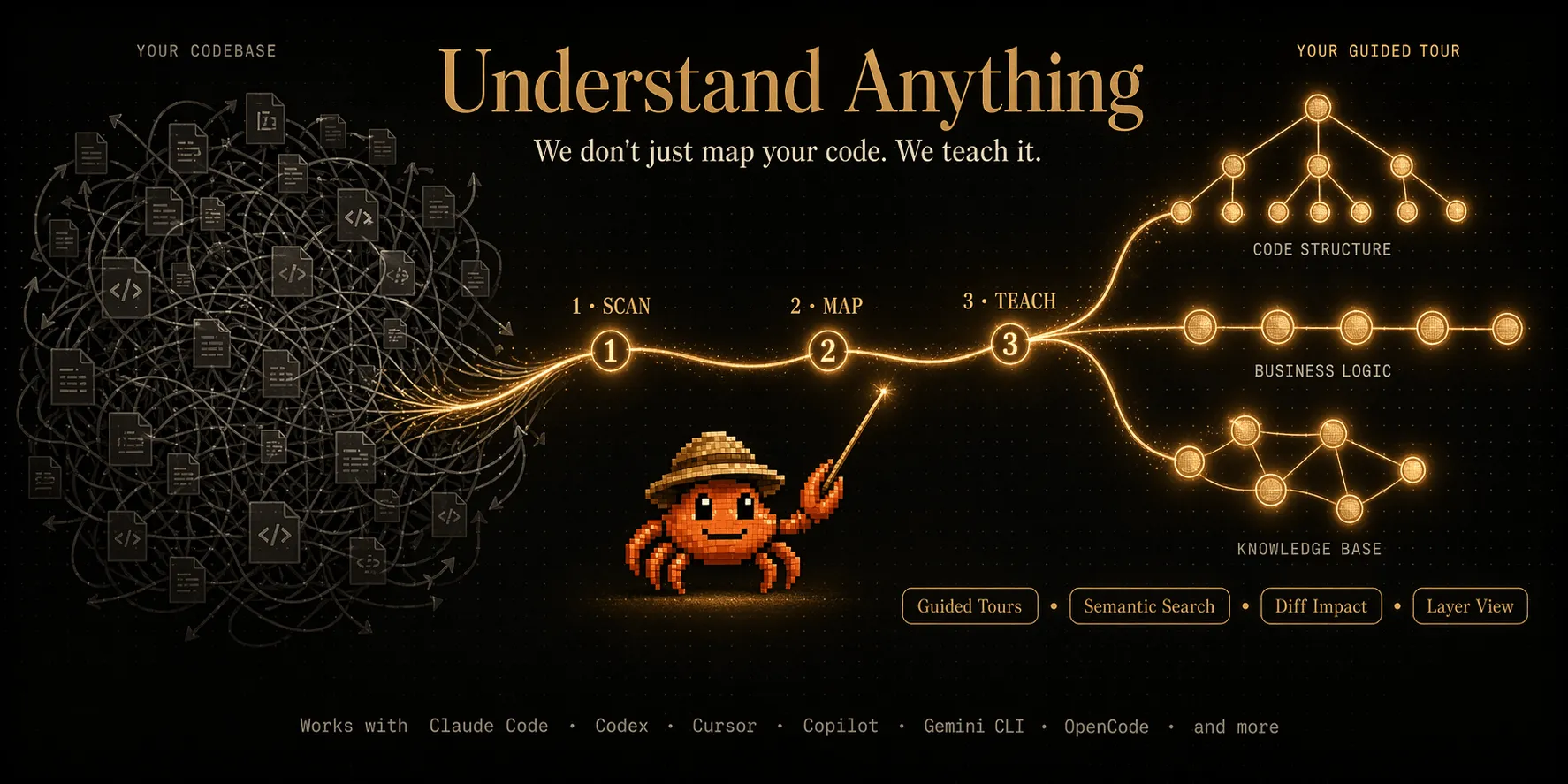
- Now, Understand Anything is useful when you want to understand everything from the structure of a service you've built to the code structure of an organization. 👀
- Repo Link 🔗
-
If a new team member joins your project, or if you join an organization as a team member, it seems worth running this to get up to speed quickly. After installing it, run the
/understandcommand once in the Repo you want to analyze, and it will generate a graph. As shown below, it analyzes your code and displays it layer by layer,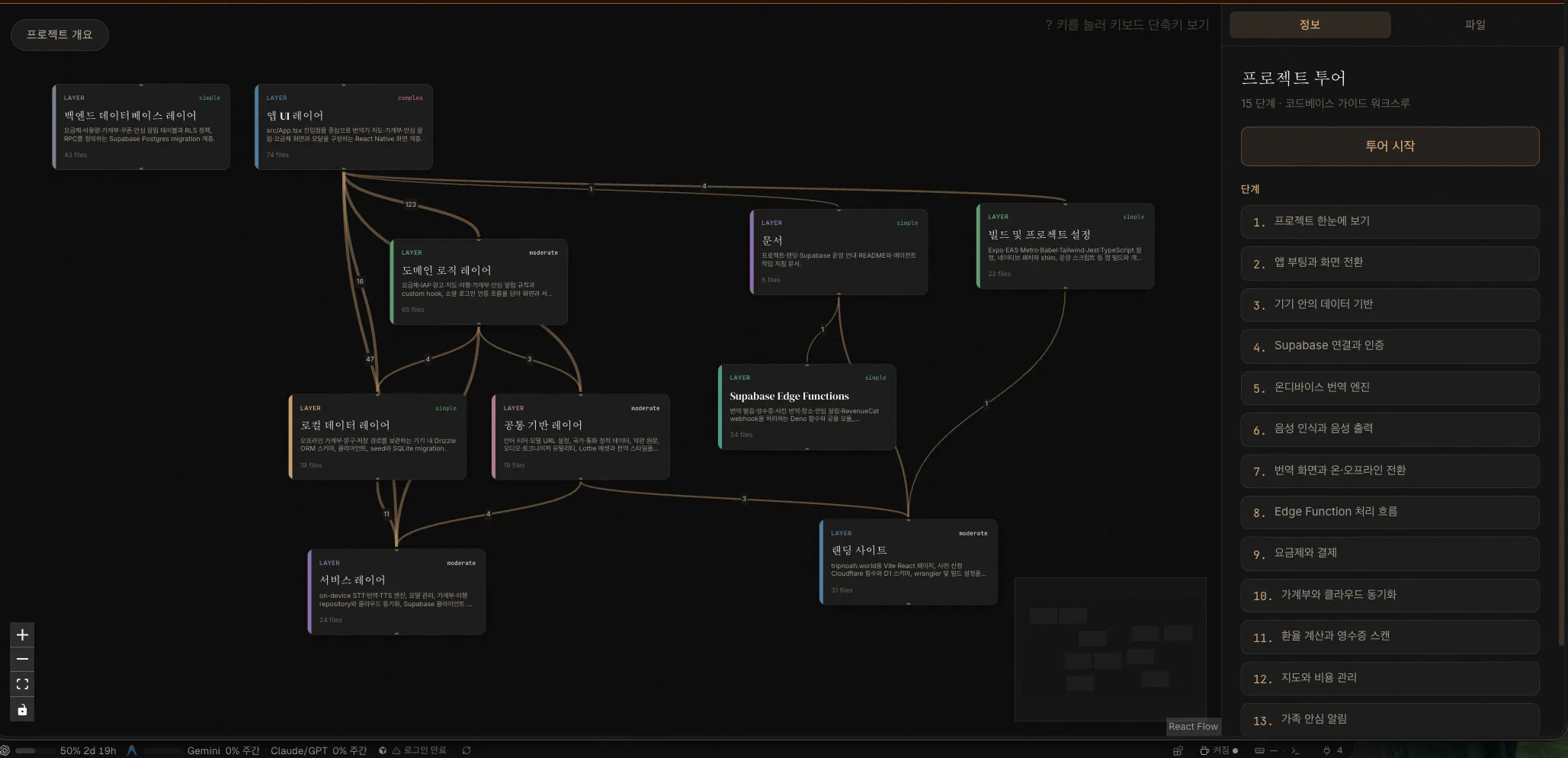
-
And when you click a specific element, you can keep drilling down through the graph all the way to the code-file level.
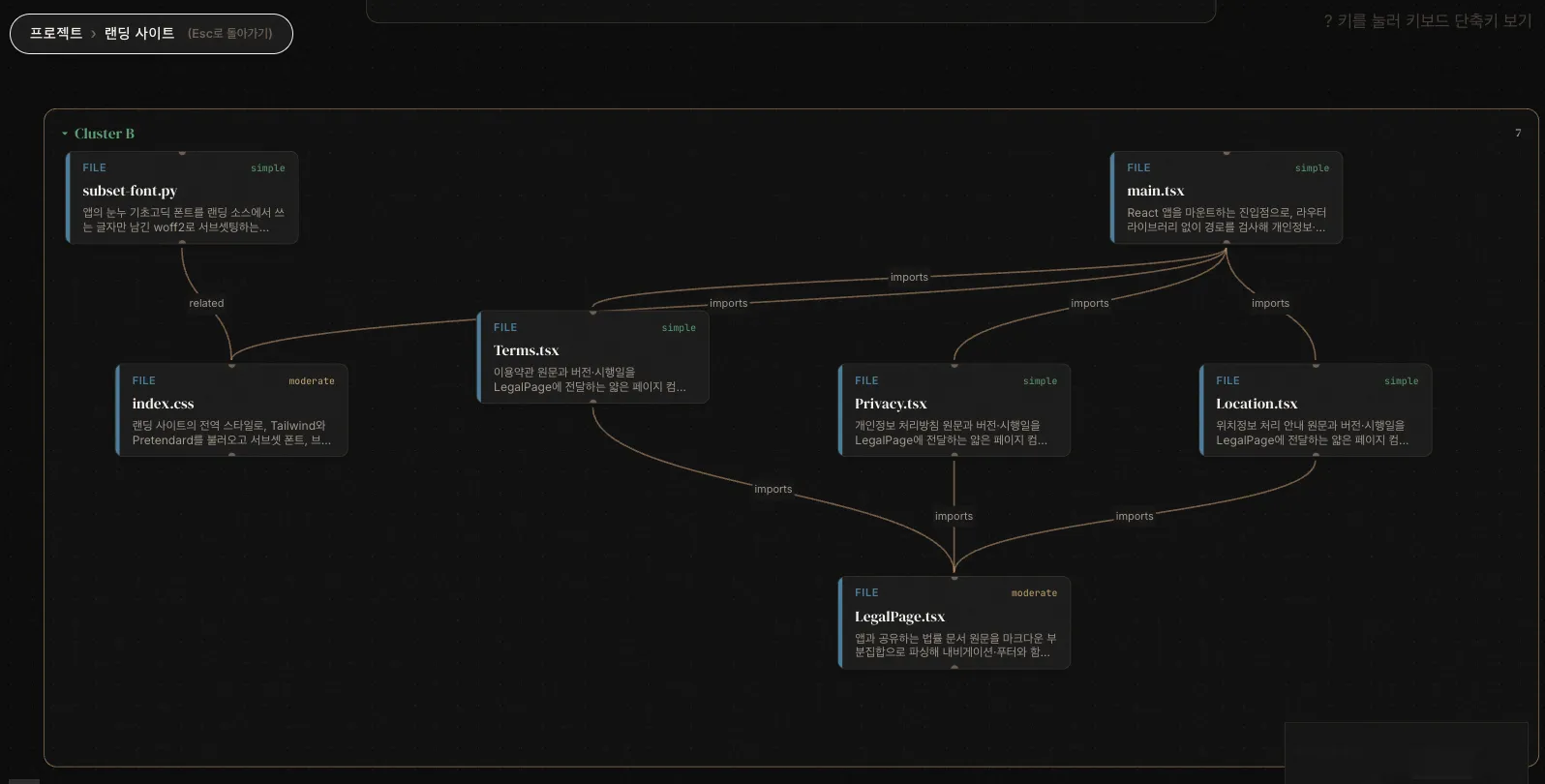
-
The
/understandcommand uses quite a lot of tokens the first time it runs, so rather than using an API token, it would be better to run it with a plan you're already subscribed to or a local model such as Ollama. To refresh the graph, you need to run/understandagain, which is inconvenient, so,/understand --auto-update
- A post-commit hook applies incremental patches, so when the code changes and you commit the graph, an agent such as Claude Code automatically updates it.
-
For reference, when running the
/understandcommand, you can set the language to generate the graph in your preferred language./understand --language ko
Closing 🍳
- We live in an era where every single month is amazing. It's so much fun. This was already true before, but... now, more than anything else, great Insight and planning have become even, even, even, even, even, even, even more important..🫠

0 comments
Please login to leave a comment.